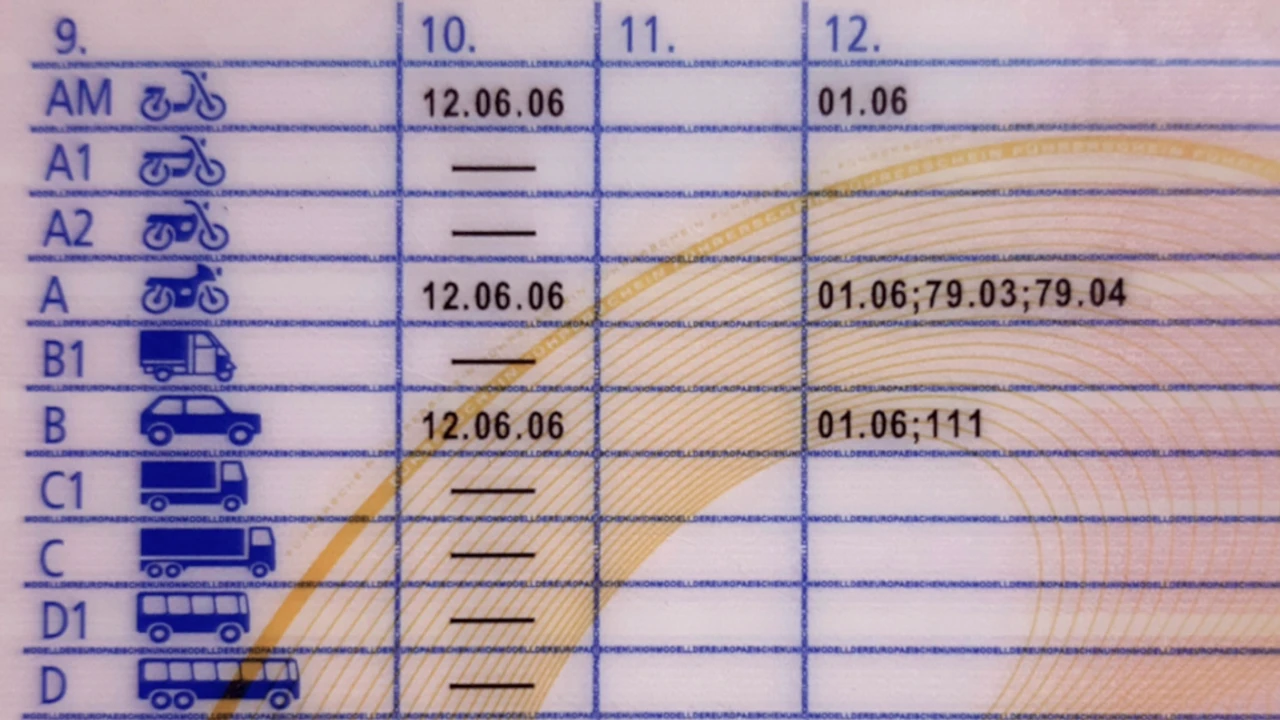
An EU driving licence is a driving licence issued by a member state of the European Union in accordance with the driving licence regulations applicable there. Within the EU, common rules apply that make the mutual recognition of driving licences easier.
Nevertheless, many drivers still have important questions: What requirements apply? Can you drive in Germany with an EU driving licence? What do you need to consider when moving to another country? And when is a driving licence actually valid?
This guide provides an easy-to-understand overview of the most important aspects of the EU driving licence, driving licence recognition within the EU, and driving in Germany with a foreign EU driving licence.
In principle, valid EU and EEA driving licences are recognised in Germany. Anyone who holds a valid driving licence issued by another EU member state can generally use it to drive the corresponding vehicles in Germany.
However, certain requirements and exceptions apply. One particularly important factor is the so-called normal place of residence. As a general rule, a driving licence should be obtained in the EU country where the holder actually has their normal place of residence.
Anyone who obtains a driving licence in another EU country solely because the requirements there are supposedly easier should therefore exercise particular caution.
Are you moving from another EU country to Germany? If so, you generally do not have to automatically exchange your valid EU driving licence for a German one.
However, depending on the driving licence category, validity period, and individual circumstances, special rules may apply. It is therefore advisable to check your specific requirements with the competent driving licence authority.
In the case of a permanent change of residence, German regulations concerning validity, renewal, or certain driving licence categories may also become relevant.
An important distinction must be made between an EU driving licence and a driving licence issued by a non-EU country. The recognition of a driving licence from a third country is governed by different regulations.
Depending on the country of origin, length of stay, and driving licence category, additional requirements may apply. These can include exchanging the licence, taking a theoretical or practical test, or providing additional documentation.
Anyone moving to Germany from a non-EU country should therefore check the rules applicable to their specific driving licence at an early stage.
When it comes to buying an EU driving licence or driving licence offers on the internet, particular caution is advised. A legitimate driving licence cannot simply be purchased without meeting the legally required conditions.
Offers that promise a driving licence without an examination, without a normal place of residence, or without the legally required training can lead to legal problems. Possessing a document alone does not automatically guarantee that you have a valid entitlement to drive.
You should therefore look for reliable information, official procedures, and the actual legal requirements that apply to your situation.
The EU driving licence offers many advantages within the European Union, particularly through the mutual recognition of driving licences. Nevertheless, before obtaining or exchanging a driving licence, you should carefully check which rules apply to your individual circumstances.
Whether you are dealing with driving licence recognition, residence requirements, exchanging a licence, or a driving licence from abroad, the most reliable basis for making a legally sound decision is up-to-date information from the relevant authorities.

Buy genuine and fake documents online now! We offer comprehensive document services, database registration, and travel planning assistance.
Buying fake documents or passports can lead to serious legal consequences, including fines and imprisonment. Such documents are commonly associated with fraud, identity theft, and other criminal activities. They may result in travel bans, visa refusals, and permanent damage to your personal reputation. Fake documents provide no legal protection and can create significant problems during official verification processes. Overall, the risks far outweigh any perceived benefits.